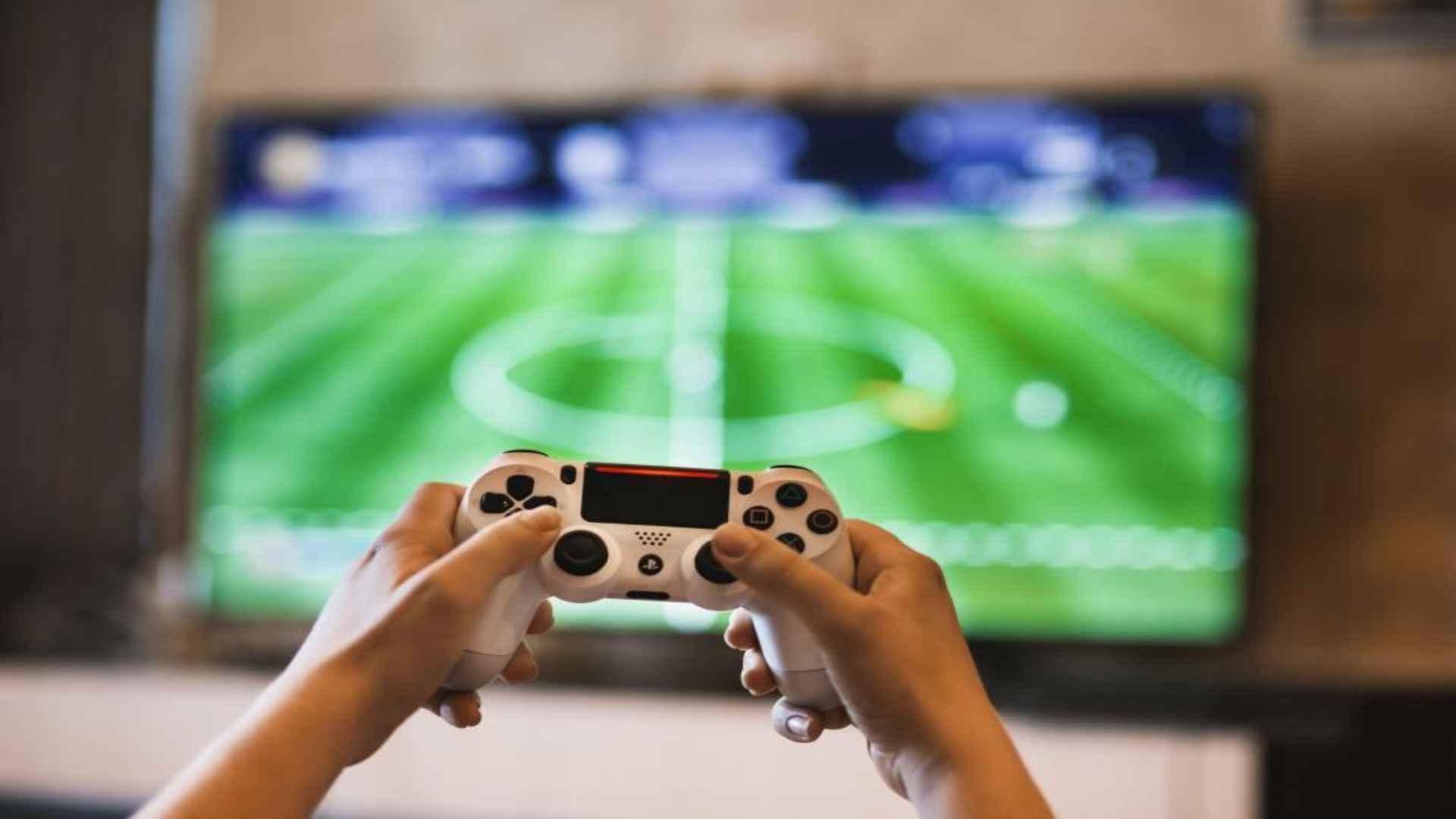
Connecting a console gamepad to your computer offers a highly comfortable setup for enjoying various modern desktop titles. Many PC gamers choose to repurpose the PlayStation 4 DualShock 4 device due to its familiar ergonomics and responsive wireless connectivity. Setting up a reliable wireless link ensures you can enjoy immersive gameplay without managing messy cords across your desk.
Activating Wireless Discovery on the Gamepad
Before attempting to configure your computer settings, the wireless peripheral must be completely turned off. Verify that the tracking light bar on the top edge is fully dark to confirm its current status. If the hardware remains connected to a console nearby, hold down the center button until the device shuts off entirely.
Once the controller is off, you will need to trigger its internal wireless pairing sequence manually. Simultaneously press and hold the Share button and the central PS button for several seconds. Release the inputs only when the light bar begins executing a rapid, double-blinking white pattern.
Preparing Windows for Bluetooth Connection
With your gamepad actively broadcasting its wireless signal, you must now prepare the operating system to establish a link. Open your desktop configuration manager by searching for the system settings panel via the start menu. Navigate directly to the hardware management area that handles inputs and wireless accessories to initiate your setup.
Ensure that the primary Bluetooth switch is toggled to the active position before trying to find new hardware. Click the option to add a new peripheral and select the appropriate wireless protocol from the menu. Your operating system will automatically begin scanning the immediate area for broadcasting hardware.
Completing the Desktop Hardware Handshake
During the scanning process, the broadcasting controller will typically appear in the list labeled as a generic wireless device. Click directly on this new entry within your computer menu to begin the official authentication process. The light bar on the gamepad will stop flashing and show a solid light once the connection finishes successfully.
Some operating systems might occasionally ask you to provide a standard security passcode to complete the verification step. If this security prompt displays on your computer screen, simply enter a basic sequence of four zeros into the field. This standard protocol finalizes the registration so your software can read incoming button presses accurately.
Optimizing Gamepad Compatibility and Mapping Profiles
After successfully pairing the hardware, setting up the right digital environment guarantees smooth performance across different gaming platforms. Many desktop applications look exclusively for the standard Microsoft input framework, which handles signals differently than the PlayStation architecture. Utilizing specialized launchers or third-party mapping software bridges this operational gap to ensure structural compatibility.
Popular digital storefronts offer excellent integrated translation features that automatically map your buttons without extra configuration. You can easily modify advanced options like tracking sensitivity, custom layouts, and vibration feedback directly inside these platform menus. Keeping your computer drivers completely updated will also prevent sudden disconnections or input delays during intense gaming sessions.